
Loading Screen V2

Farm Residues to Resources

How farm residues from farmers’ fields are transformed into organic compost and become part of a sustainable economic cycle
GFI-Supported Farmers’ Group in Sebangau Mulya Village, Central Kalimantan, Indonesia

In carrying out our reforestation initiatives, we recognize that this journey cannot be separated from community development. This principle is one of our priorities in building healthy forests for a more sustainable future.

As part of our community support, we carry out two activities: Farmer Field Schools and Regular Meeting of Farmers Group. Both activities reflect our commitment to strengthening farmers’ capacity and encouraging them to continuously adopt sustainable agroforestry practices. Each topic covered is accompanied by an emphasis on the importance of local communities’ contributions to the environment.

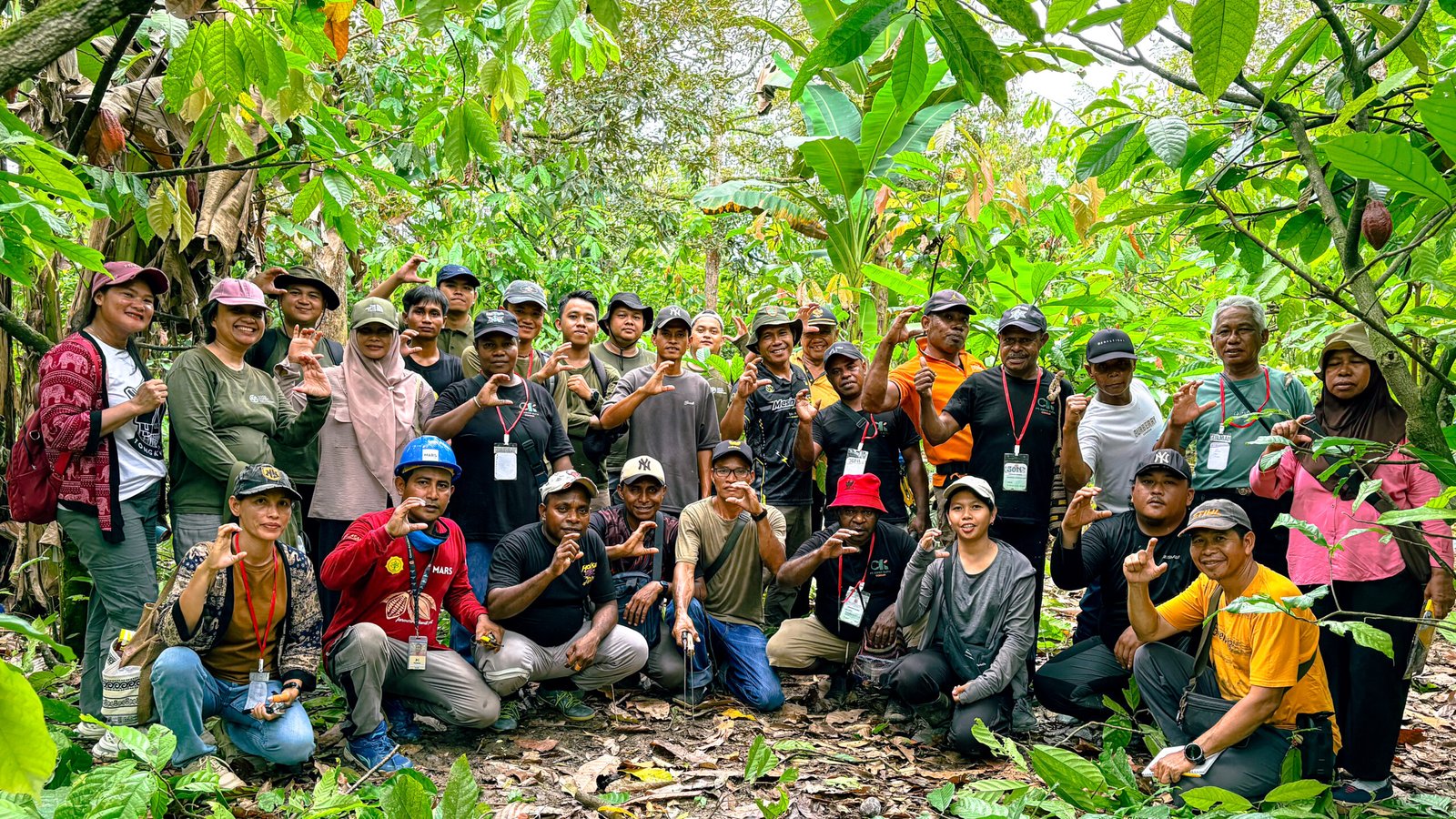
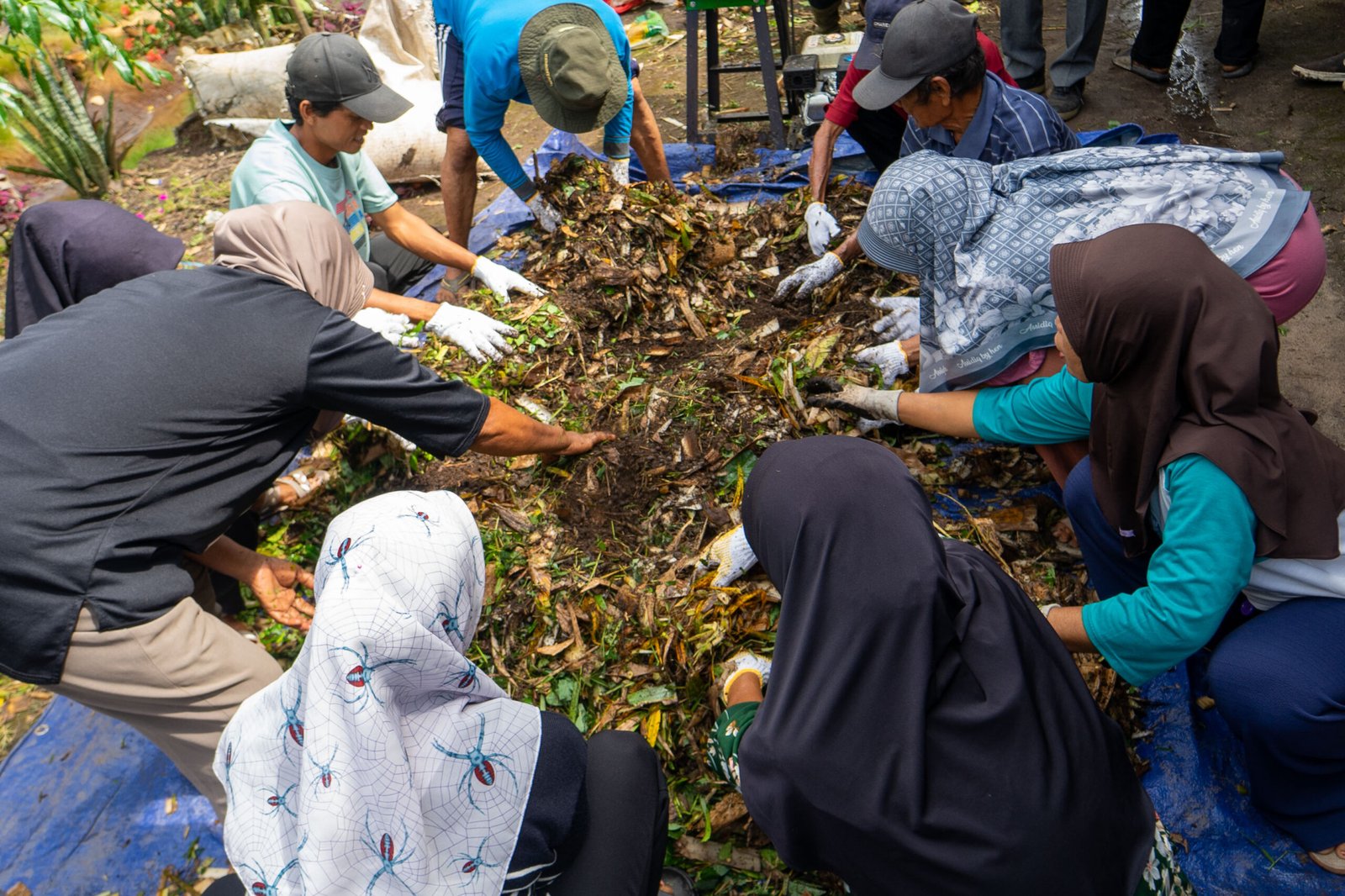
One initiative that has since been practiced regularly by the farmer groups is turning grasses, farm residues, and organic waste from their surroundings into organic compost. Farmers bring farm residue and organic waste to the monthly meetings, where they collect and process the materials together into organic compost. The compost is then stored for 1–2 months before being harvested together once it is ready.


A Change in Perspective That Leads to a Sustainable Economic Cycle
The support and mentoring we provide are beginning to show tangible impacts in the field. The organic compost produced provides several benefits for farmers, including reducing fertilizer costs, reducing the use of chemical fertilizers, and helping improve soil fertility. Seeing these benefits, the GFI-supported farmer group in Sebangau Kuala took the initiative to continuously produce organic compost. Some farmers have also begun experimenting with producing organic fertilizer independently.

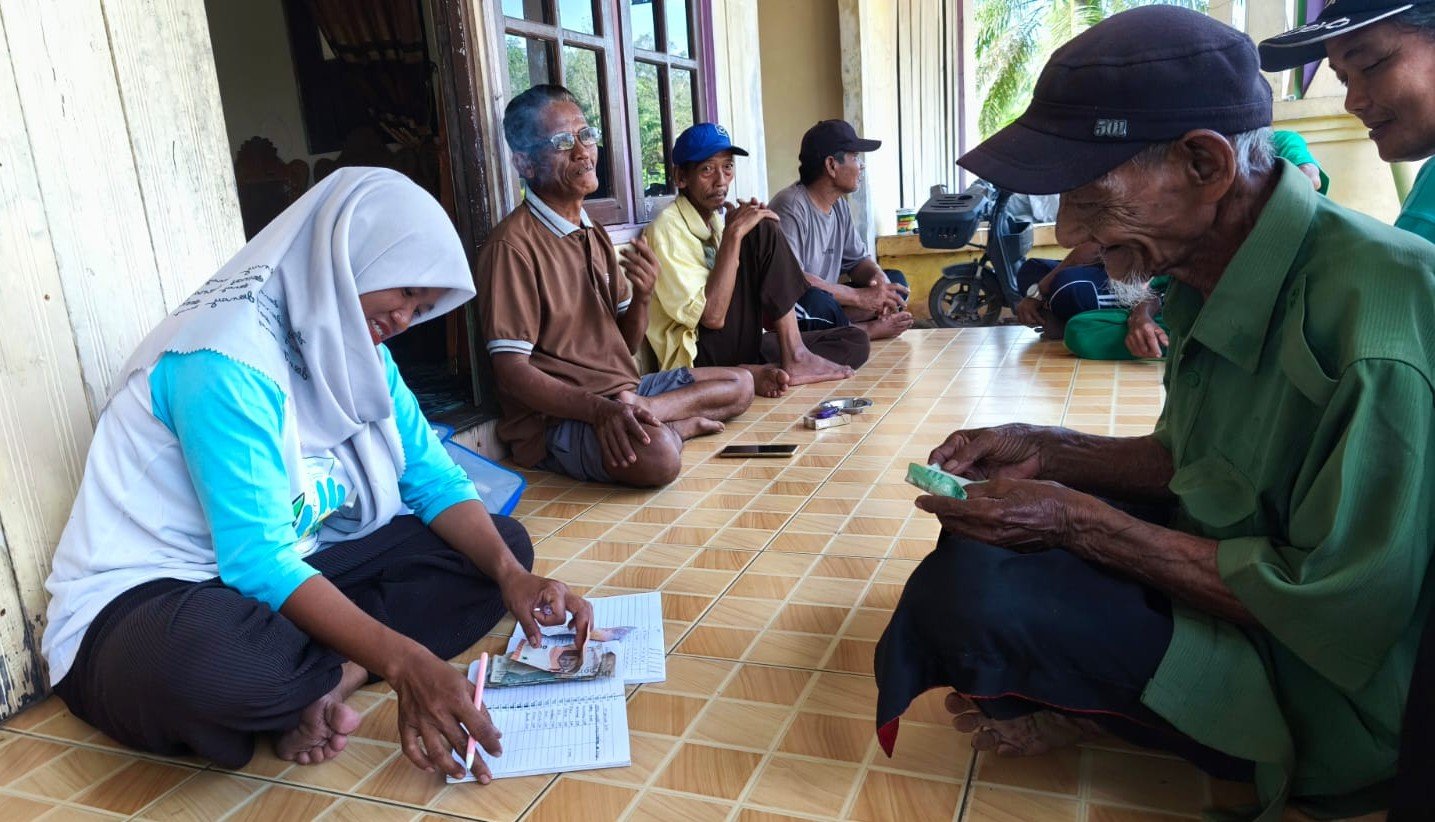
To date, the group has produced more than 25 liters of liquid compost and approximately 380 kilograms of solid compost. The compost produced is sold to group members. The proceeds from these sales are added to the group fund, which is then reinvested through a simple savings and loan system for members. This system helps build the group’s capital while easing farmers’ agricultural expenses. From this simple initiative, a continuously circulating economic cycle has begun to take shape within the community, while also strengthening cooperation among members.

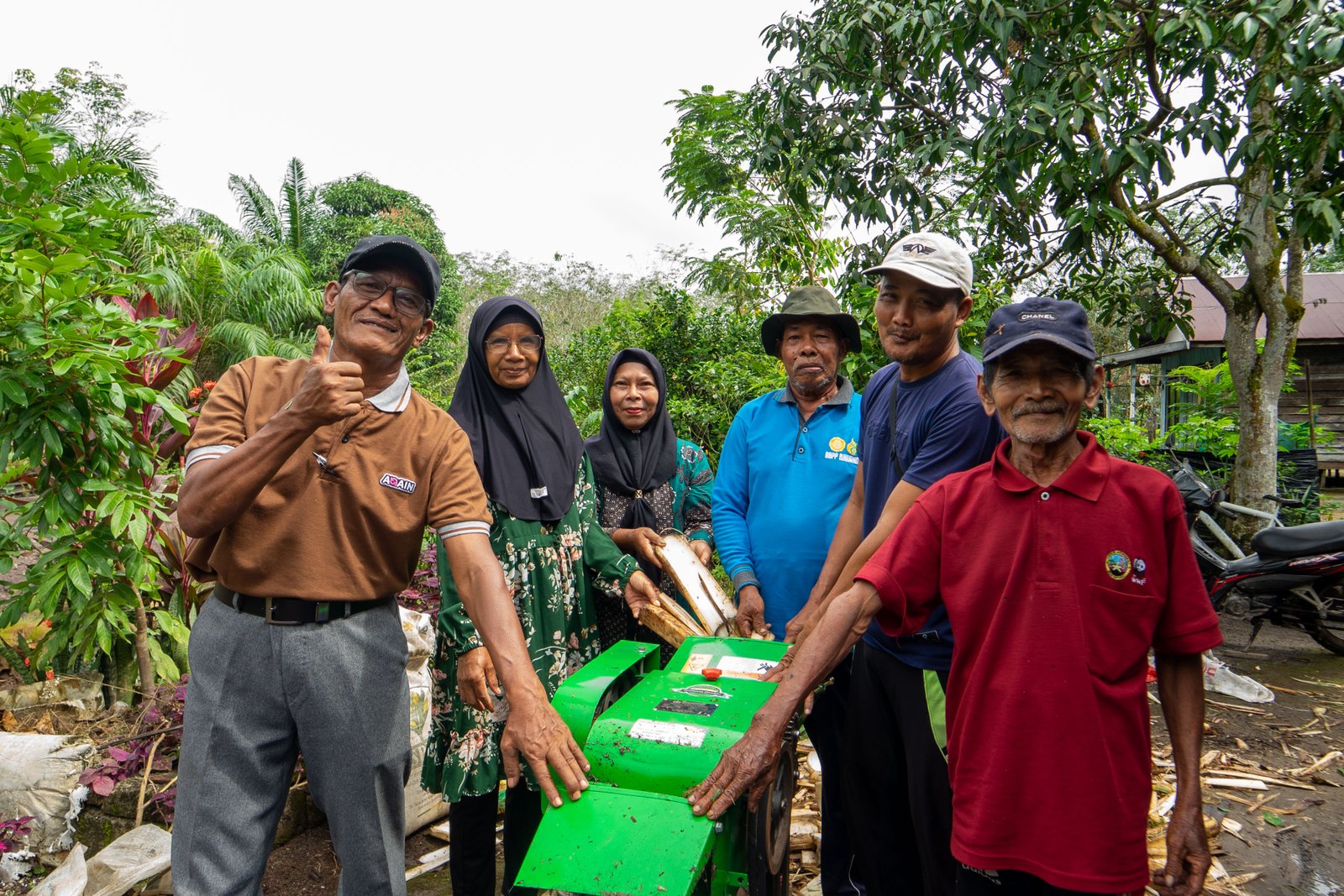
The members worked together to mix all the organic materials after the weeds and grass had been shredded using a shredder

“Our group provides loans to members with a low interest rate, and the interest decreases each month. The proceeds return to the group fund and will eventually be distributed among members through the SHU (Surplus from Business Activities) system. In this way, all members can benefit,” said Davin Sutriyo, Head of the Sebangau Mulya Village Farmer Group.

“Farmers here are cautious about borrowing large amounts. For example, if they borrow Rp200,000, they are charged 5% interest on the loan amount each month. However, the interest decreases in the following months. This initiative simply grew from our own experience,” said Fina Pujiati, Treasurer of the Sebangau Mulya Village Farmer Group.

Members of the GFI-supported Farmer Group organize a traditional arisan (rotating savings gathering) as a social gathering to strengthen friendship and family ties among members.

The system is based on the principle of mutual support, with its benefits intended to flow from members, for members. When farmers need funds for their agricultural activities, they can apply for a loan with a repayment period that suits their financial capacity.


Knowledge Becomes Action, Action Becomes Change for the Future
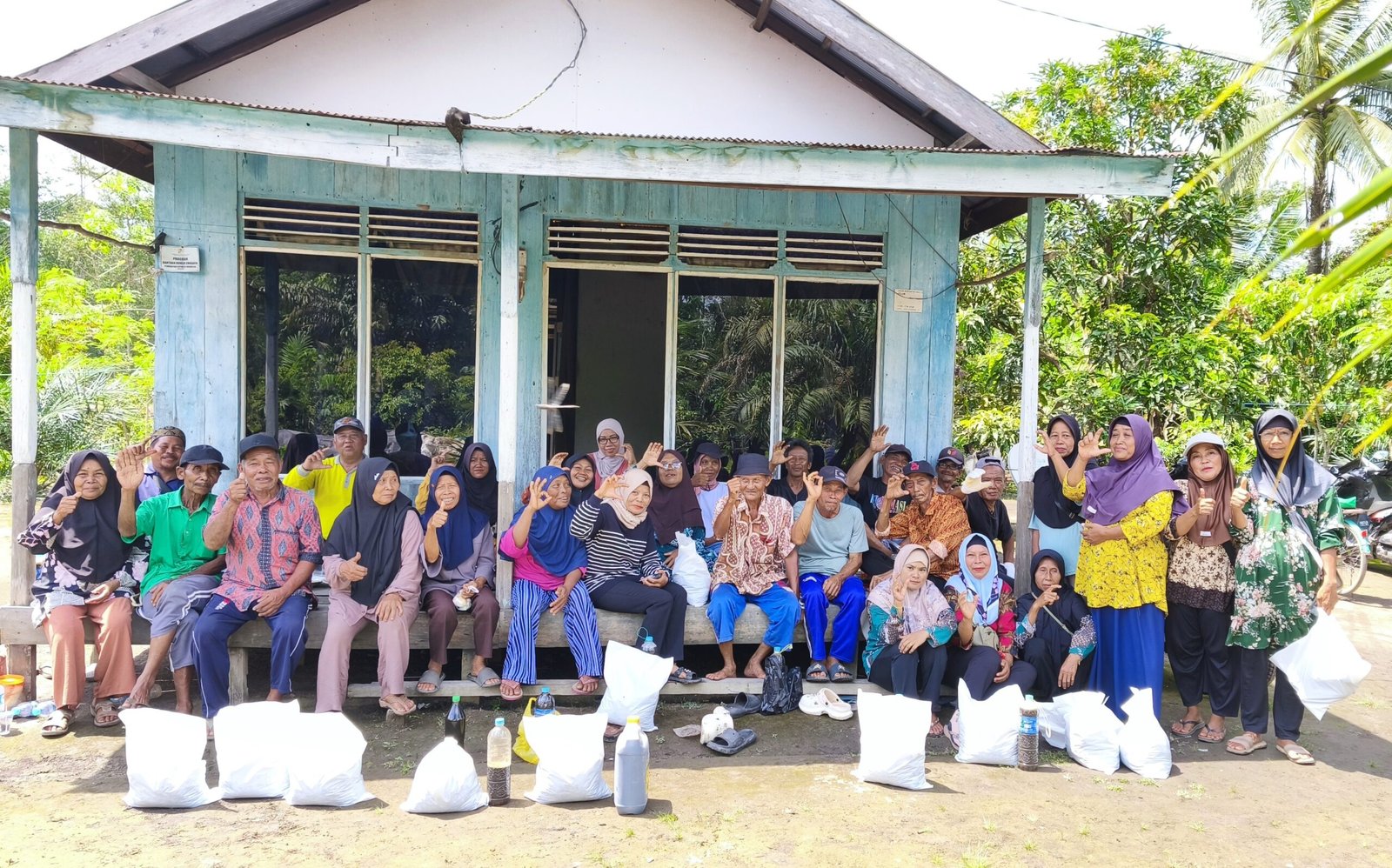
The members took a group photo with the organic compost they produced and brought it home to use on their respective farms

This initiative shows that change can begin with simple knowledge. When farm residues that were once considered waste are transformed into organic material and put to use, knowledge becomes action—strengthening farmers’ self-reliance and encouraging more environmentally responsible agricultural practices.

Reforestation is not only about planting trees. It is also about building the knowledge and capacity communities need to care for their land. Through small actions taken together, communities can become increasingly self-reliant and better prepared to restore and protect their forests.

Because healthy forests are a climate solution.


Scroll to Top