Loading

Closing Workshop of the Youth Program (Sakula Budaya) & Reflection on the Implementation of the Good Forest Indonesia Program

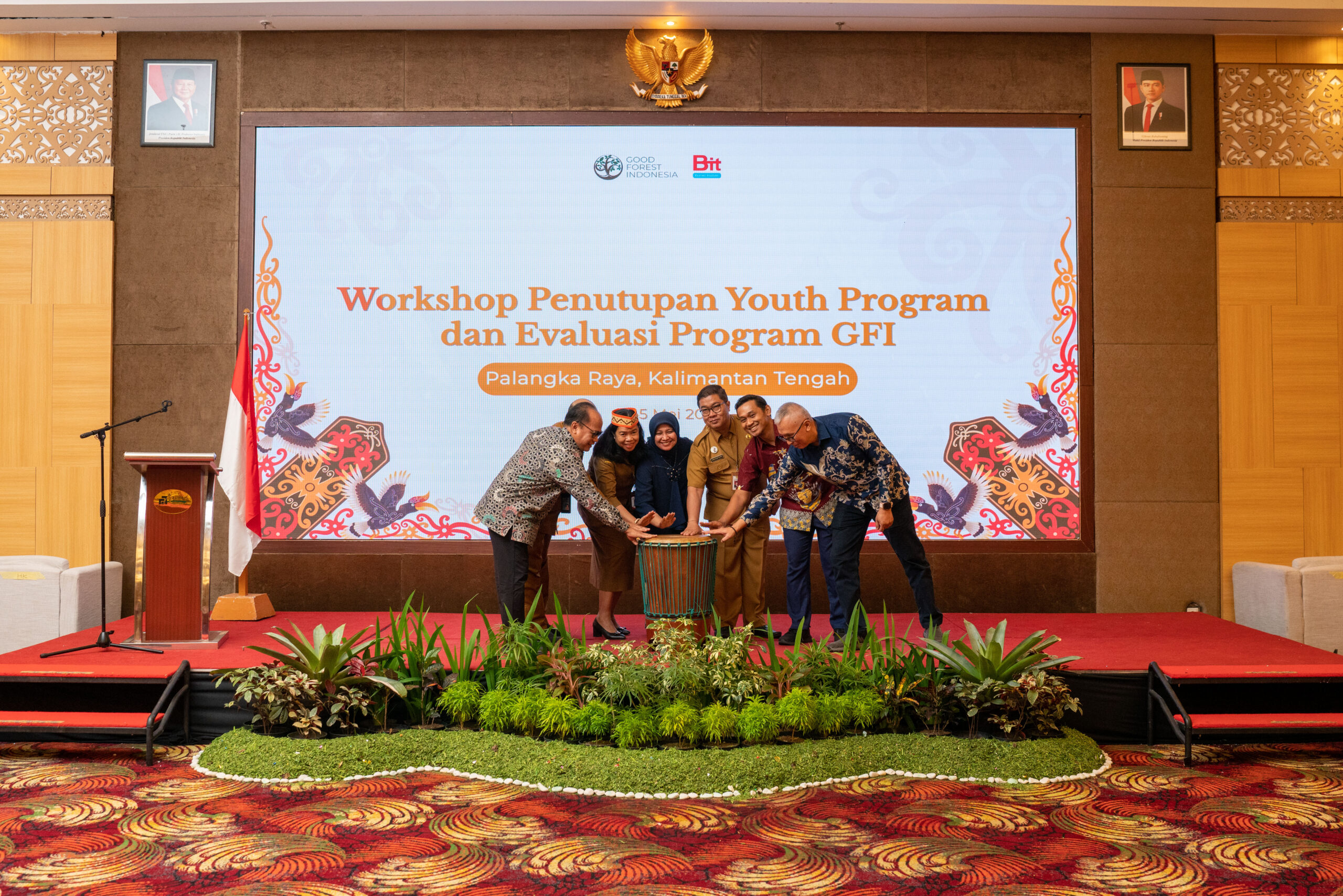
Good Forest Indonesia, together with the Regional Government and Borneo Institute, officially opened the Youth Program Closing Workshop and GFI Program Evaluation Event on Monday, May 4, 2026.

Palangka Raya, [12/05] – Good Forest Indonesia successfully held the Youth Program (Sakula Budaya) Closing Workshop and Reflection on the Implementation of Good Forest Indonesia Programs on Monday–Tuesday (May 4–5) at Aquarius Hotel.

The workshop brought together stakeholders to engage in discussions and share lessons learned in supporting the sustainability of environmental education for young people, as well as land and forest rehabilitation efforts in Central Kalimantan.

Representatives from district and provincial governments, schools, communities, development partners, and all participants of the Youth Program (Sakula Budaya) attended the event with the shared goal of strengthening cross-sector collaboration.

The event served as an important momentum to reflect on the achievements of Good Forest Indonesia’s programs since 2023, while also discussing the future direction and sustainability of environmental initiatives in Central Kalimantan.


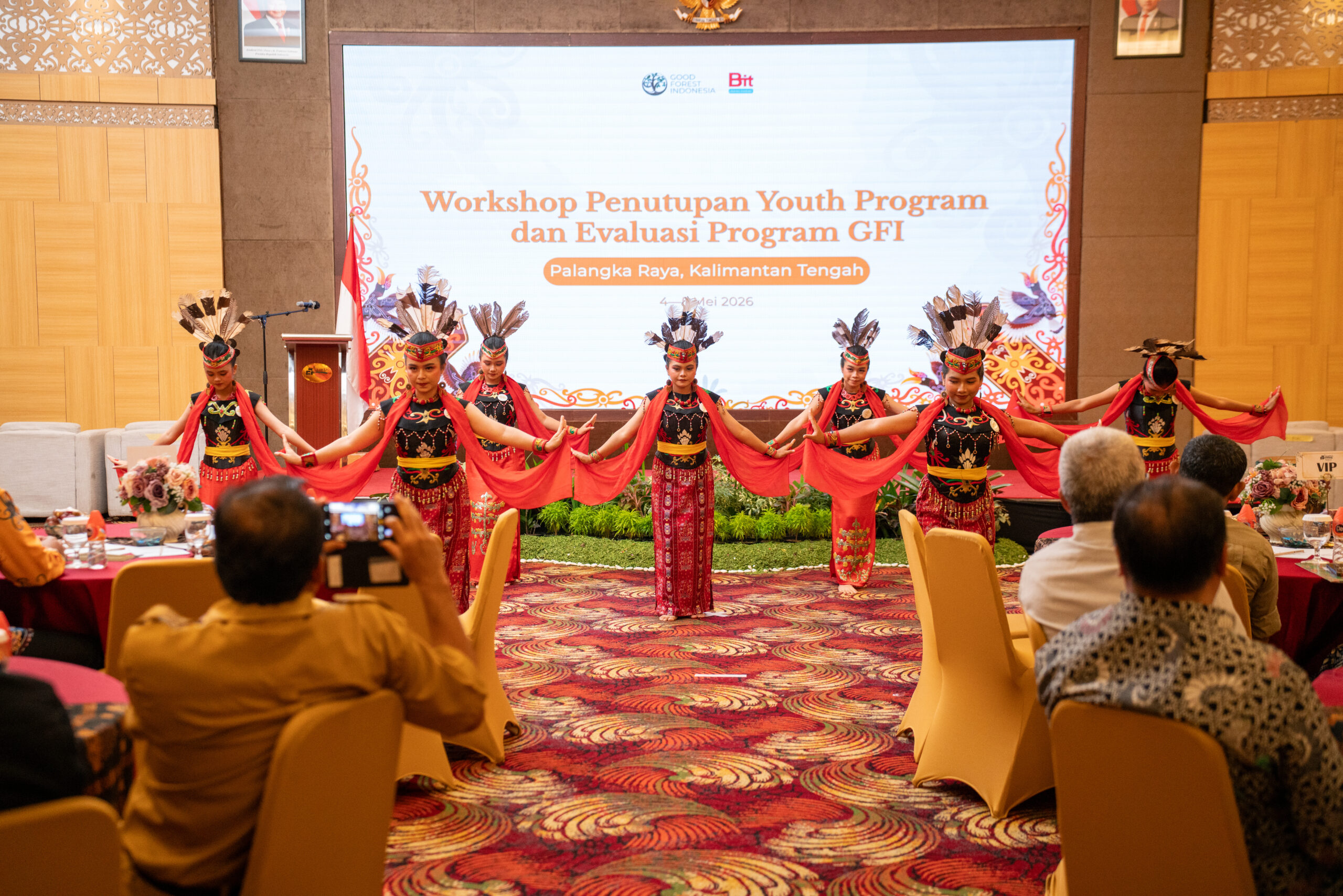
A traditional dance performance from Central Kalimantan was presented by the Youth Program (Sakula Budaya) cultural studio from Sumur Mas Village.

The workshop also included a reflection session on the implementation of the Youth Program (Sakula Budaya) for the 2023–2026 period. In partnership with Borneo Institute, the Youth Program (Sakula Budaya) has been implemented since 2023 across various villages in two regencies in Central Kalimantan. This initiative reflects the understanding that environmental awareness and restoration efforts can begin from an early age.

The program adopts an approach that integrates environmental education with local cultural values. It is expected to nurture agents of change at the village level who are aware of the importance of protecting the natural environment that is closely connected to their daily lives.

According to a report presented by Good Forest Indonesia and Borneo Institute, the Youth Program (Sakula Budaya) has impacted 453 children aged 9–13, consisting of 177 boys and 276 girls. These children come from seven villages in two regencies, namely Linau Village, Sumur Mas Village, Sebangau Permai Village, Sebangau Mulya Village, Batu Nyapau Village, Tewah District, and Tanjung Riu Village.


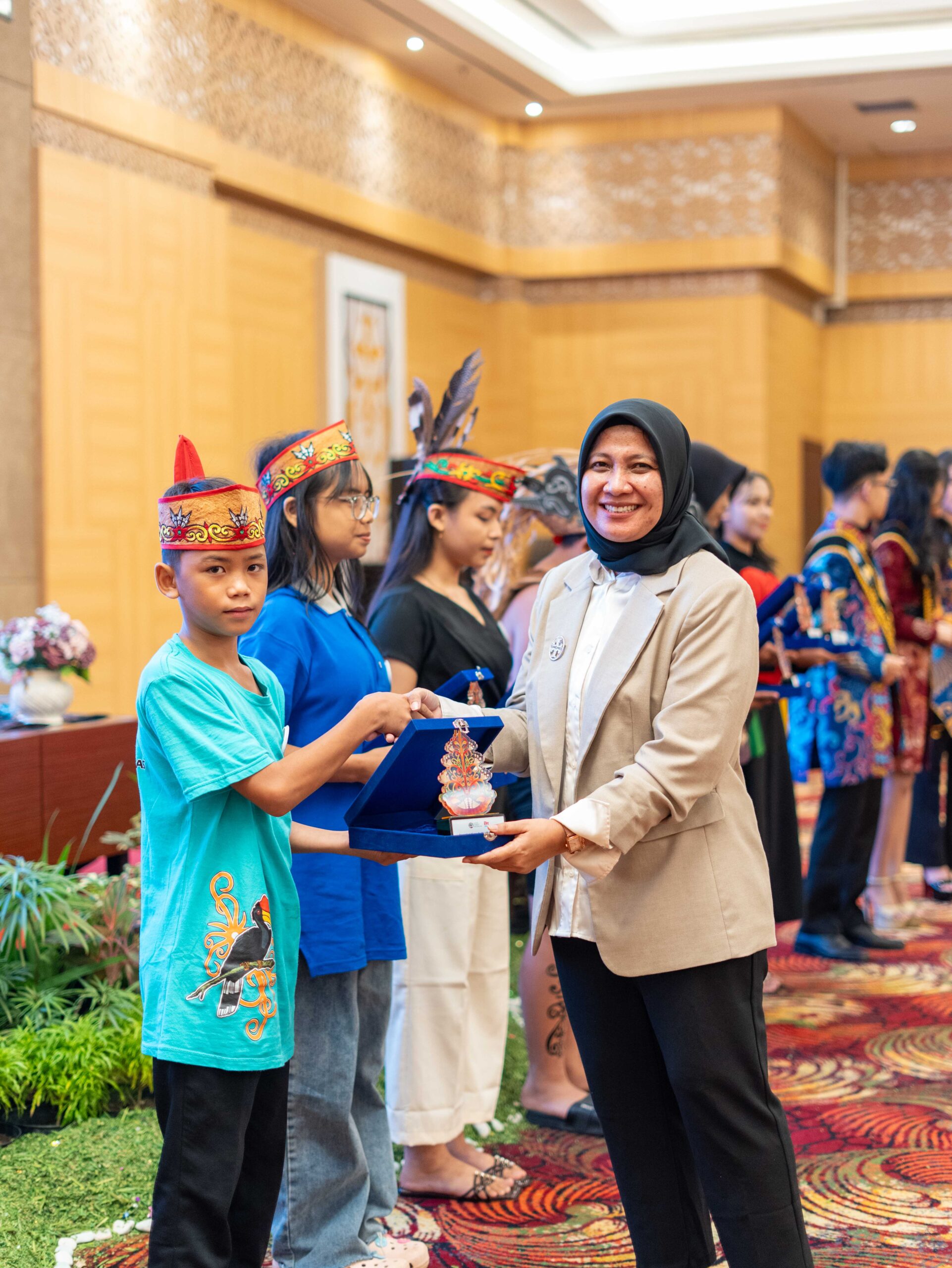
Fadhillah Hanum, Director of Good Forest Indonesia, presented appreciation plaques to representatives from the seven villages participating in the Youth Program: Linau Village, Sumur Mas Village, Sebangau Permai Village, Sebangau Mulya Village, Batu Nyapau Village, Tewah District, and Tanjung Riu Village.

The reflection and program development discussions did not focus solely on the Youth Program (Sakula Budaya), but also on the broader implementation of Good Forest Indonesia’s initiatives since 2023. To date, Good Forest Indonesia has successfully distributed more than 500,000 tree seedlings of various commodities to local farmers.

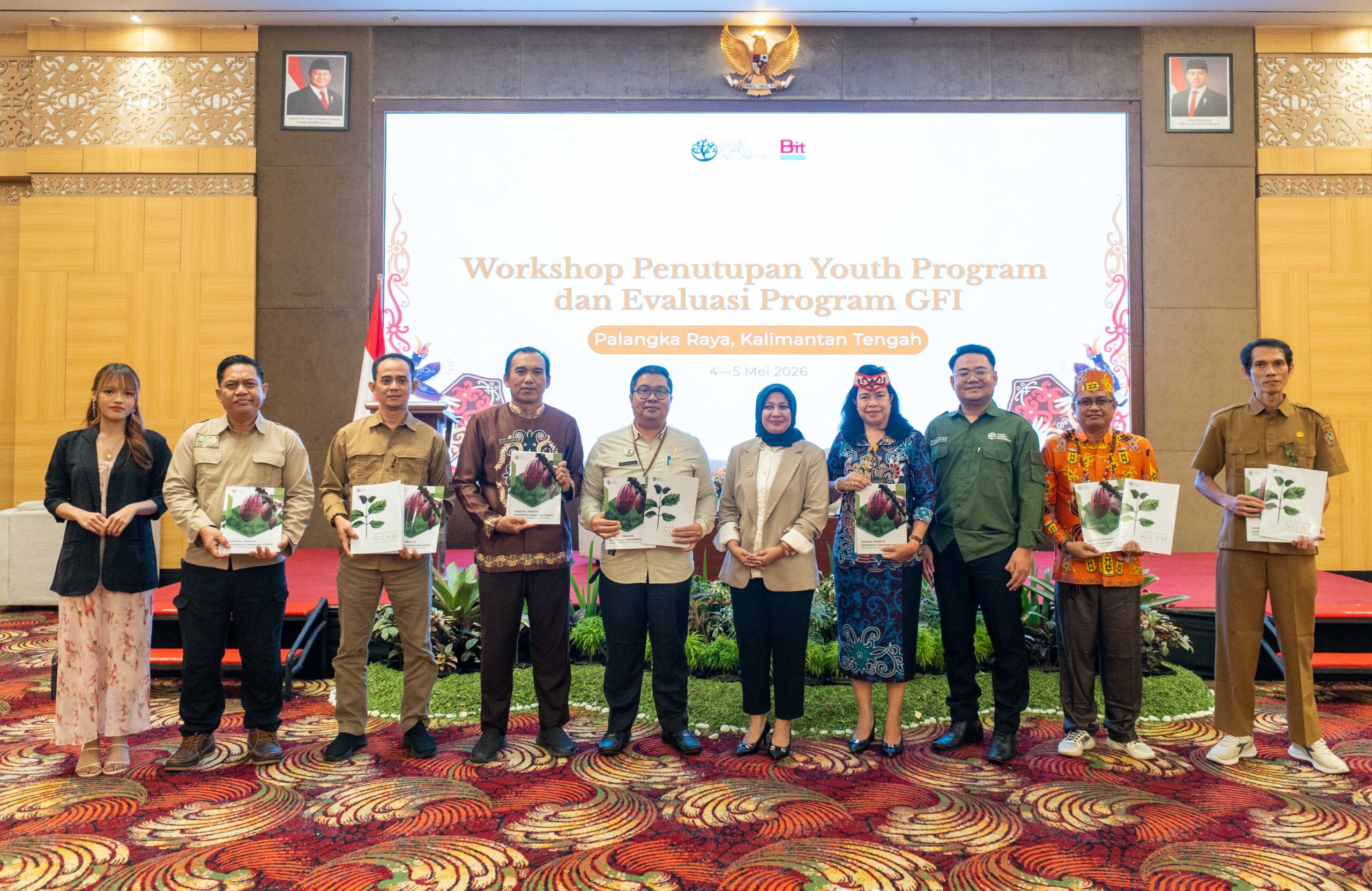
As a concrete effort to strengthen the capacity of local farmers in Central Kalimantan, Good Forest Indonesia also launched and distributed the Good Agroforestry Modules for Patchouli and Cocoa, which were developed in collaboration with expert practitioners and academics. The books were distributed to regional government institutions so they could be studied and utilized by the wider community.


Good Forest Indonesia distributed the Good Agroforestry Modules for Patchouli and Cocoa to the Central Kalimantan Forestry Agency, KPHP Kahayan Hulu Unit, KPHP Kahayan Tengah Unit, KPHP Kahayan Hilir Unit, Gunung Mas Regency Agriculture Office, Pulang Pisau Regency Culture, Youth, and Sports Office, and Gunung Mas Regency Culture Office.

“The Sakula Budaya Program and Good Forest Indonesia have proven that environmental and cultural preservation in Central Kalimantan can go hand in hand when supported by strong collaboration. This success belongs to all of us—farmers, young people, government institutions, and other partners. We deeply appreciate the dedication of all parties who have supported our vision until today,” said GFI Director, Fadhillah Hanum.

The spirit of cross-sector collaboration has become one of the key foundations behind the success of this program. The involvement of various stakeholders—from local governments, educational institutions, indigenous communities, and civil society organizations to young people—demonstrates that efforts to preserve the environment and culture cannot be carried out in isolation.

Through dialogue, the exchange of ideas, and the shared commitments built throughout the program, new hope has emerged to strengthen a more inclusive and sustainable environmental restoration movement in Central Kalimantan.

Scroll to Top