
Loading

When Forests Disappear, Storms Become Far More Destructive: A Big Alarm From Extreme Weather Events in South and Southeast Asia 2025

Extreme weather events in South & Southeast Asia in 2025 served as a significant alarm about how climate change is worsening progressively day by day.
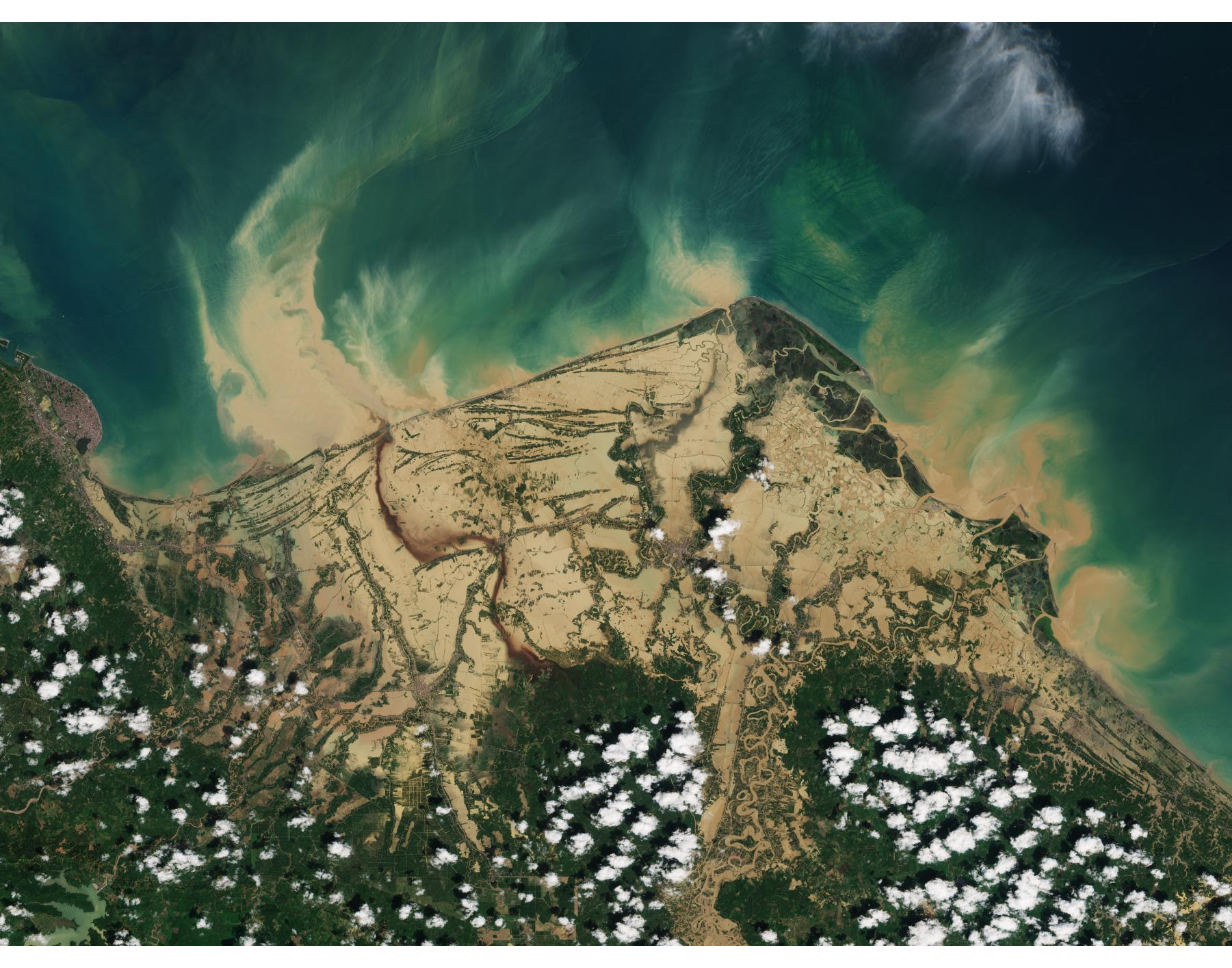
This true-color image, taken by Copernicus Sentinel-2 on Saturday, November 29, 2025, is located east of the city of Lhokseumawe, on the north coast of Aceh province on the island of Sumatra, Indonesia.

Sad news continues to emerge from South and Southeast Asia, as extreme weather events have unfolded one after another since the beginning of last year. Heavy rains, flash floods, landslides, and storms have swept across many areas of South and Southeast Asia. This incident has caused loss of life and widespread damage across many regions.

The crisis peaked in November 2025, triggered by powerful Tropical Cyclone Senyar, as well as other simultaneous cyclonic systems amid Northeast Monsoon and La Niña conditions1,2. New data has shown that more than 1,800 people across Malaysia, Thailand, Sri Lanka, and Indonesia died in extreme flooding events over the course of November and December 2025, with death tolls anticipated to rise as humanitarian efforts continue3.

In Indonesia, the National Disaster Agency (BPBN) reported by late November 2025, about 70% of all disasters that happened across the country were floods or other extreme weather-related events4. Sumatra Island suffered the worst damage, particularly in its northern regions. As of 30 December 2025, they also reported 1,141 people died, and 163 were still missing5.


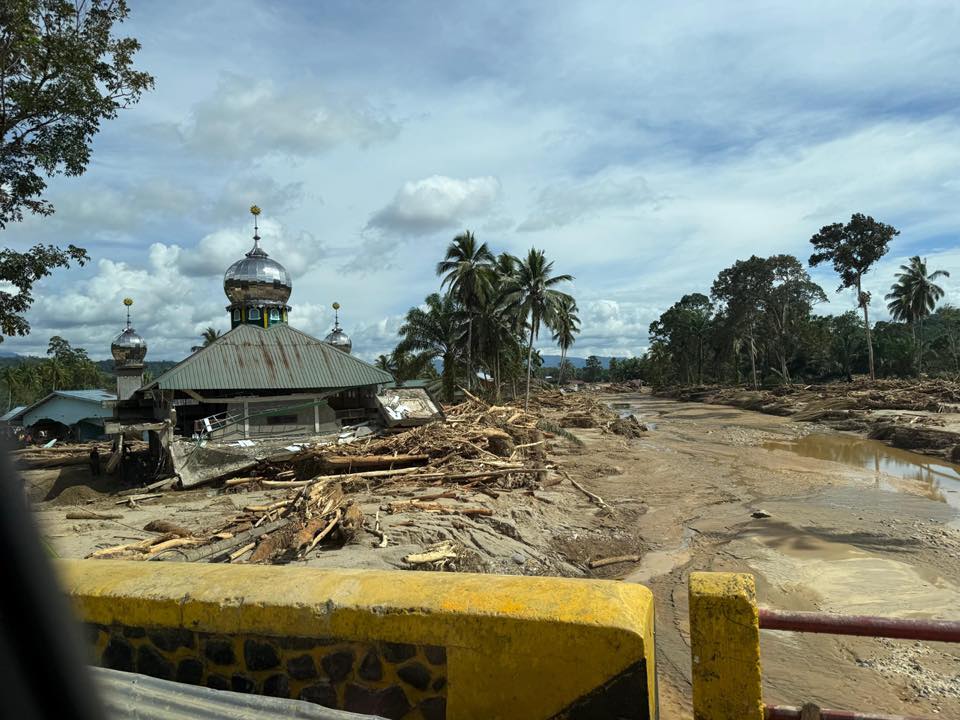
The Taqwa Muhammadiyah Mosque in Huta Godang, North Sumatra, Indonesia, was affected by flooding. (Badan Nasional Penanggulangan Bencana (Indonesia National Disaster Management Agency (BNPB), Public domain, via Wikimedia Commons)

These deadly floods across South and Southeast Asia were not just about intense rainfall and extreme weather events. Experts and international bodies have linked the exceptional intensity of the disaster to the latest example of the climate crisis’s impact on storm patterns and extreme weather. However, if it were to happen in places where forests remain, storms feel different.

Forests are ecosystems that can protect the earth and everything in it. Trees growing in healthy soil create a functioning hydrological system that extends beyond the soil to the atmosphere. These trees protect the Earth through natural processes, such as tree roots providing a pathway for water to infiltrate the soil and tree canopies slowing the fall of water, preventing erosion.

The life processes of trees within forests can act as a protective barrier for the Earth, reducing the severe risks caused by extreme weather cycles. These natural defenses come from simple things trees do every day. However, if forests are lost and the land becomes degraded, the forest’s capacity can be diminished. This is what leads humanity to increasingly devastating natural disasters over time.

The current extreme weather event is a significant reminder of how extreme weather cycles can be exacerbated by the climate crisis. Forest restoration can be the answer to healing a grieving natural landscape. Returning to nature will certainly take time, but it can build lasting strength. 

By restoring landscapes and reforesting degraded lands, we can restore the function of forests to the Earth. Of course, without leaving local communities behind, we must foster a sense of care for nature and forests, and strengthen the natural systems that protect us from floods, storms, drought, and any other natural disaster. 

One tree seed may seem small, but together, these trees can have a big impact. Let’s plant trees now for a better future!


Scroll to Top